13 Built Shelves For Small Spaces Ideas To Save Room
Small rooms can feel heavy, but smart shelving makes them feel light. The right built-ins turn empty corners into useful places.
You can keep things organized, show off favorites, and still have room to move. Below are practical ideas you can copy, tweak, and personalize to match your home.
1. Wall-to-Wall Floating Built-Ins with a Clear Top Line
Wall-to-Wall Floating Built-Ins with a Clear Top Line
Imagine a smooth stretch of shelves that runs along one wall like a neat set of steps. Books and boxes look tidy because every item sits on the same height.
Use slim boards and hidden brackets so the shelves feel airy instead of bulky. This keeps your room from looking crowded while still giving you real storage.
If you want a calmer look, paint the shelves the same color as the wall. Keep heavier items on the lower shelves and lighter decor on top.
To personalize, add a few adjustable pegs so you can change spacing as your needs grow. A small gallery of frames or a row of matching book spines can make the wall feel “designed,” not thrown together.
For cost, consider using pre-primed plywood and finishing it yourself. If you hire help, ask for a basic layout first, then add extras later once you see what fits best.
2. Built-In Shelves Inside a Window Nook
Built-In Shelves Inside a Window Nook
That awkward window space can become a cozy reading spot with built-in shelves on both sides. You get light from the window and storage that stays visible.
Place shallow shelves so plants, cookbooks, or small toys sit neatly without blocking the view. This is especially helpful when square footage is tight.
Choose materials that match your trim so it feels built from the start. Add a cushion in front and you instantly create a mini lounge.
Personalize with a mix of textures, like woven baskets and small ceramic pieces. Keep everyday items on the bottom shelves and reserve the top for seasonal decor.
For a budget-friendly plan, use narrow shelving units that fit the nook measurements and finish them with a durable top coat. If you are renting, consider semi-permanent shelves that do not require major wall damage.
3. Corner-to-Corner “L” Built-Ins with Diagonal Shelves
Corner-to-Corner “L” Built-Ins with Diagonal Shelves
Corners are often wasted space, but you can turn them into a useful storage hub. A built-in that follows both walls makes the room feel intentional.
Add a diagonal shelf in the middle so the corner has visual interest and extra function. It breaks up the “straight line” look and gives you a perfect spot for small plants or framed photos.
Diagonal shelves also make it easier to see what you own, which helps you avoid buying duplicates. Keep narrow items on the angled surfaces and stackable bins on the deeper ones.
If you want it to look modern, use clean lines and a consistent stain color. If you like warmer vibes, use light wood and simple hardware.
To personalize, label a few bins with removable tags for a playful, organized feel. When you rotate seasonal items, the labeled bins help you do it fast.
Cost-wise, corners can be affordable because the shelf design is compact. Focus your budget on sturdy mounting and smooth finishing, since that is what keeps everything looking sharp for years.
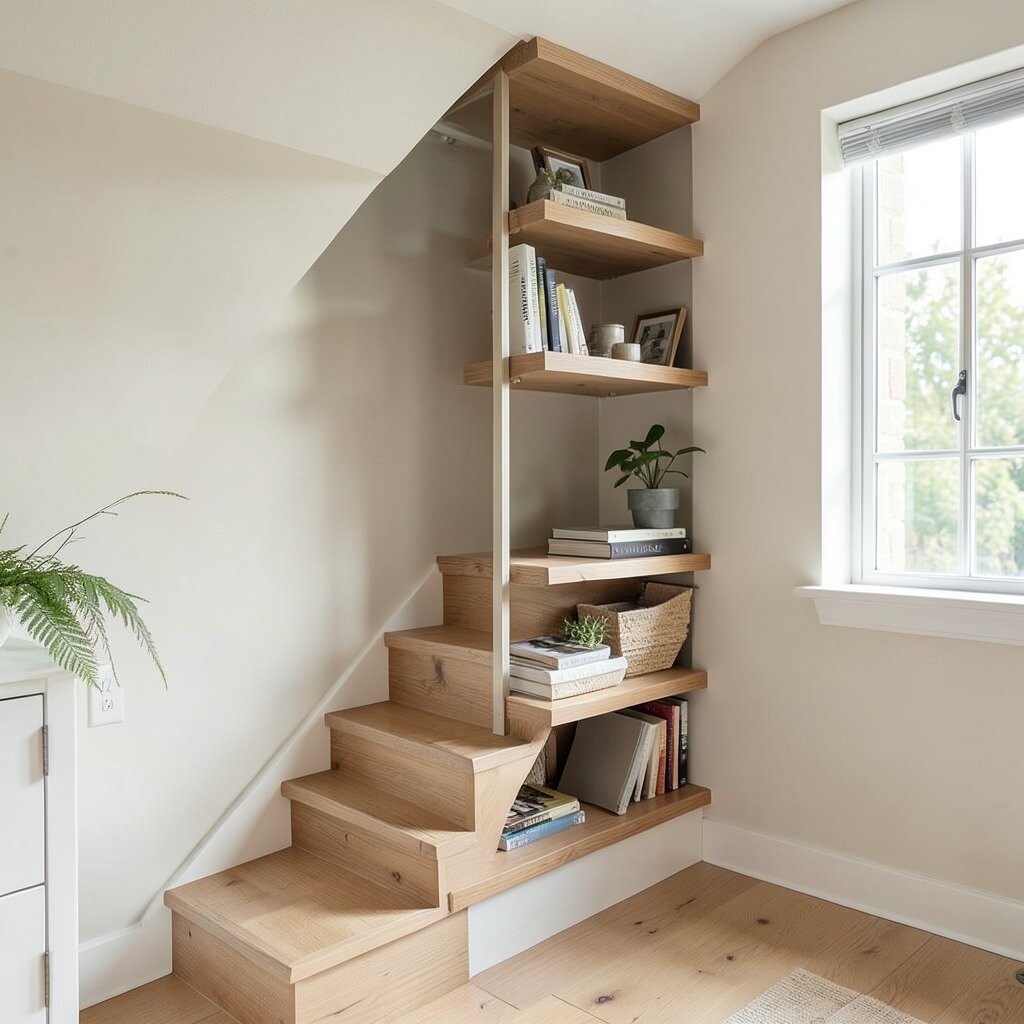
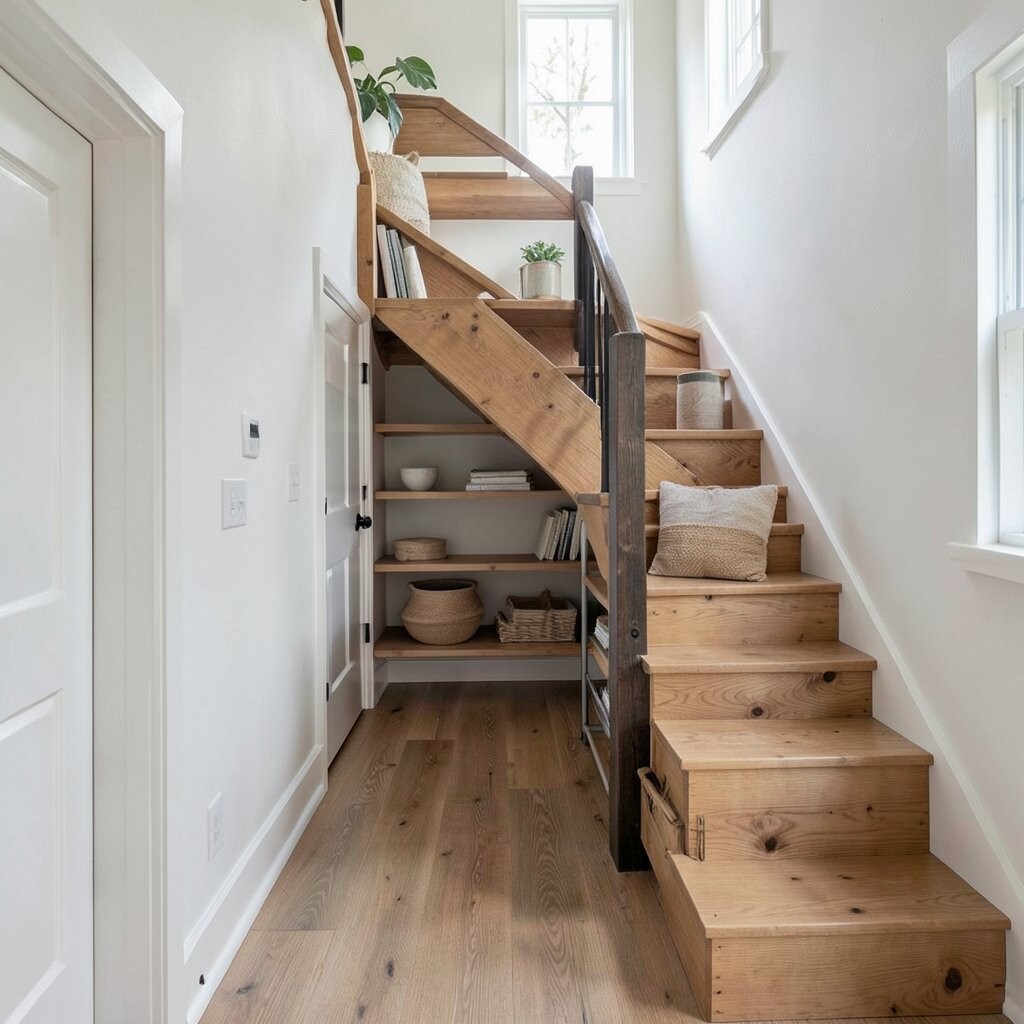
4. Built-In Under-Stair Shelves with Shallow Depth
Built-In Under-Stair Shelves with Shallow Depth
Under-stair areas look like leftovers, but built shelves make them feel useful and stylish. The shelves can hold shoes, books, or even board games.
Keep the depth shallow so you still have room to walk around comfortably. A series of small compartments helps you organize by category.
For personalization, install a mix of open shelves and closed doors. Doors hide clutter fast, which is a lifesaver in busy homes.
Use lighting inside the shelves if you can, even a small LED strip can make the area feel brighter. This is a current trend because it adds drama without taking up floor space.
For cost, measure carefully and plan for a few custom cuts. Buying standard shelf boards and trimming them yourself can save money.
5. Tall Narrow Built-Ins for Vertical Storage
Tall Narrow Built-Ins for Vertical Storage
When floor space is scarce, going up helps you store more without pushing walls outward. A tall built-in gives you a clear vertical path for books, baskets, and decor.
Think of it like a wardrobe, but for visible items. You can place it near a doorway, hallway, or the end of a living room.
To keep it from feeling too heavy, leave the top section more open. Use a ladder-style look or a light finish that reflects room brightness.
Personalize with a small cabinet section for hidden items like chargers and batteries. This way your shelf looks neat even when life gets busy.
For cost, a tall unit can be more budget-friendly than wide shelving. The design uses less material but still delivers major storage.
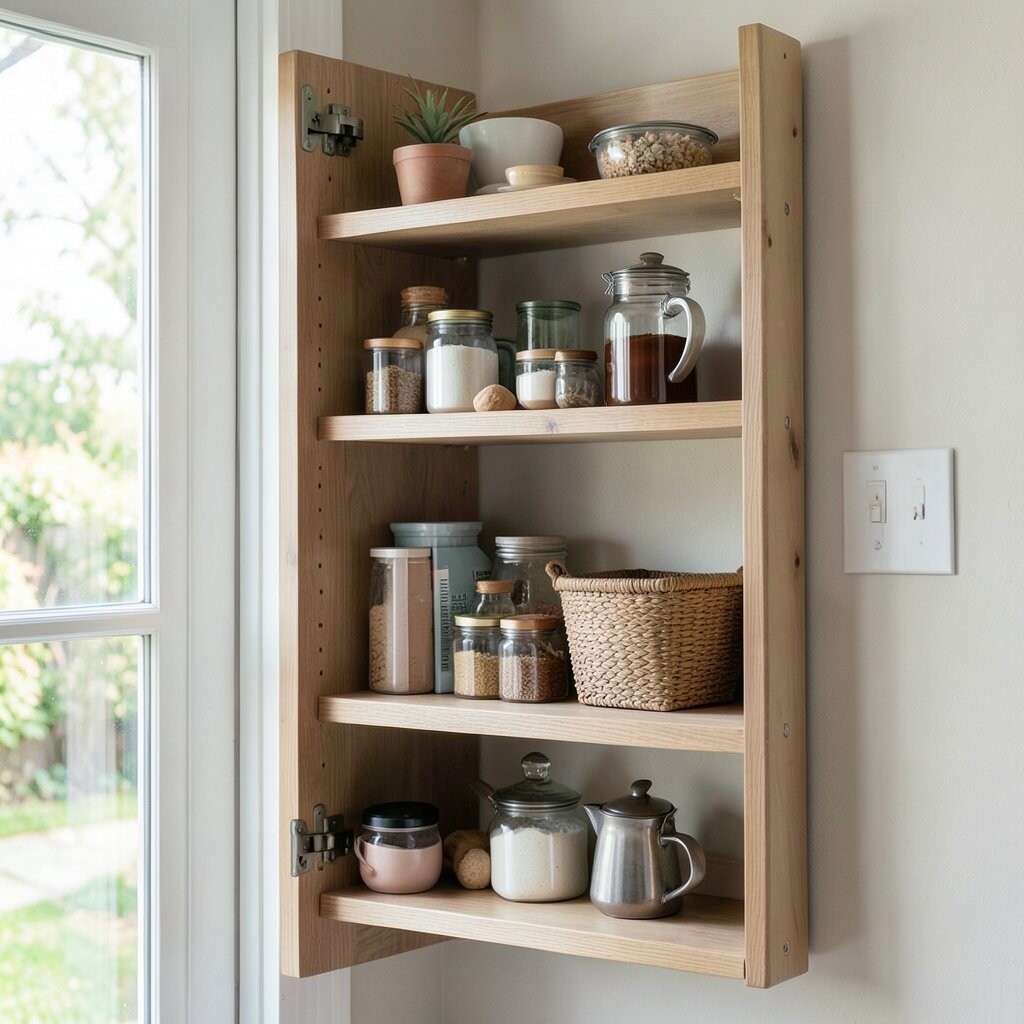
6. Back-of-Door Built Shelves for Tiny Items
Back-of-Door Built Shelves for Tiny Items
Doors are often ignored, but the back of a door can become a smart storage spot. Built shelving here works great for mail, small bags, and craft supplies.
Choose a slim design so it does not interfere with the door opening. Even a few shelves can make daily routines feel smoother.
This idea is unique because it uses space people walk past every day. With clear organization, you can reduce clutter on counters and tables.
To personalize, paint the shelves a fun color or add a cork board panel above them. You can also add hooks for keys, then add tiny bins for gloves or sunglasses.
Cost considerations are usually low because the area is small. Use strong screws and check the door swing so everything works perfectly.
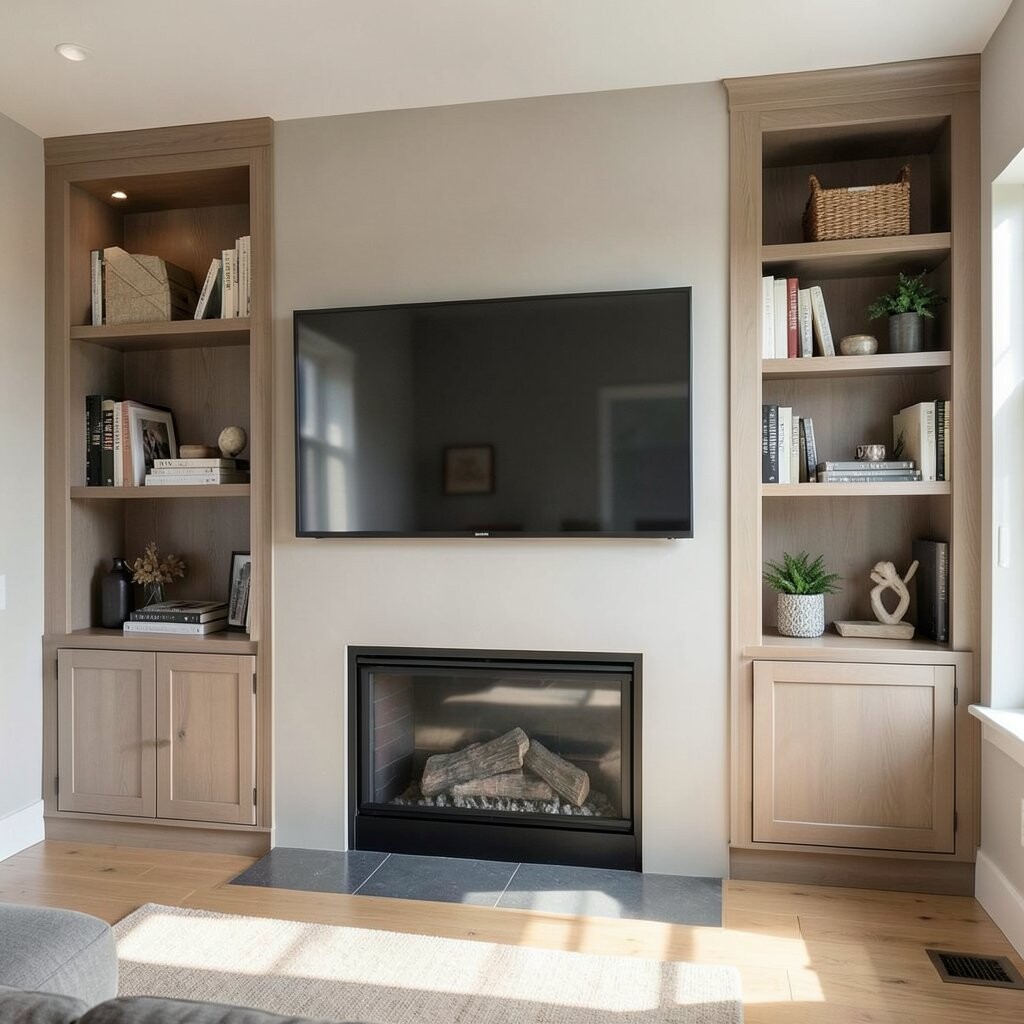
7. Recessed Built-Ins Around a TV or Fireplace Wall
Recessed Built-Ins Around a TV or Fireplace Wall
A recessed built-in feels sleek and grounded, like it belongs to the architecture. When shelves sit around a focal point, the room looks designed instead of filled with furniture.
Build shallow sections for DVDs, gaming gear, or decorative baskets. If there is a fireplace or TV, match the shelf height to keep the eye moving smoothly.
Recessed shelves also help hide cables and keep the media area clean. This is a helpful trend right now because many homes aim for a calm, minimal look.
Personalize by choosing a theme, like travel photos, black-and-white art, or a color-coordinated book stack. Add one “hero” item, such as a tall vase, to make the area feel special.
For cost, recessed projects can vary, but you can save by starting with basic framed openings. Focus on accurate measurements first, then budget for finishing details.
If you want an easy upgrade, use matching shelves and add lighting later when you are ready.
8. Horizontal Built-Ins with a Reading-Ledge Style
Horizontal Built-Ins with a Reading-Ledge Style
Picture a shelf that acts like a soft landing for your hands and your eyes. A reading-ledge style built-in gives you storage and a comfy place to set a mug or a book.
This works especially well in small living rooms where you want seating but space is limited.
Keep the top ledge wide enough for a few objects, while the shelves below hold books and small baskets. Add rounded edges for a friendlier look and safer corners.
To personalize, choose decor that tells a story, like vintage postcards in frames or a mini plant collection. Store daily essentials on lower shelves so the ledge stays calm.
9. Built-In Shelves with Mix-and-Match Open and Closed Sections
Built-In Shelves with Mix-and-Match Open and Closed Sections
Not everything should be on display, and that is why mix-and-match built-ins feel so practical. Open shelves show the fun stuff, while closed sections hide the messy stuff.
You can create balance by alternating a few open shelves with cabinets that have simple doors. This gives your room a tidy look without needing constant organizing.
For small spaces, this approach helps you avoid the “everything is everywhere” feeling. You can keep everyday items close but out of sight.
Personalize by using glass-front doors for a few special items. Or use solid doors to keep the room visually quiet.
Cost can be managed by limiting the cabinet doors to only the areas you truly need. Use standard door sizes and matching hinges to reduce extra work.
If you want a trend, choose minimal hardware in brushed metal for a clean, modern vibe.
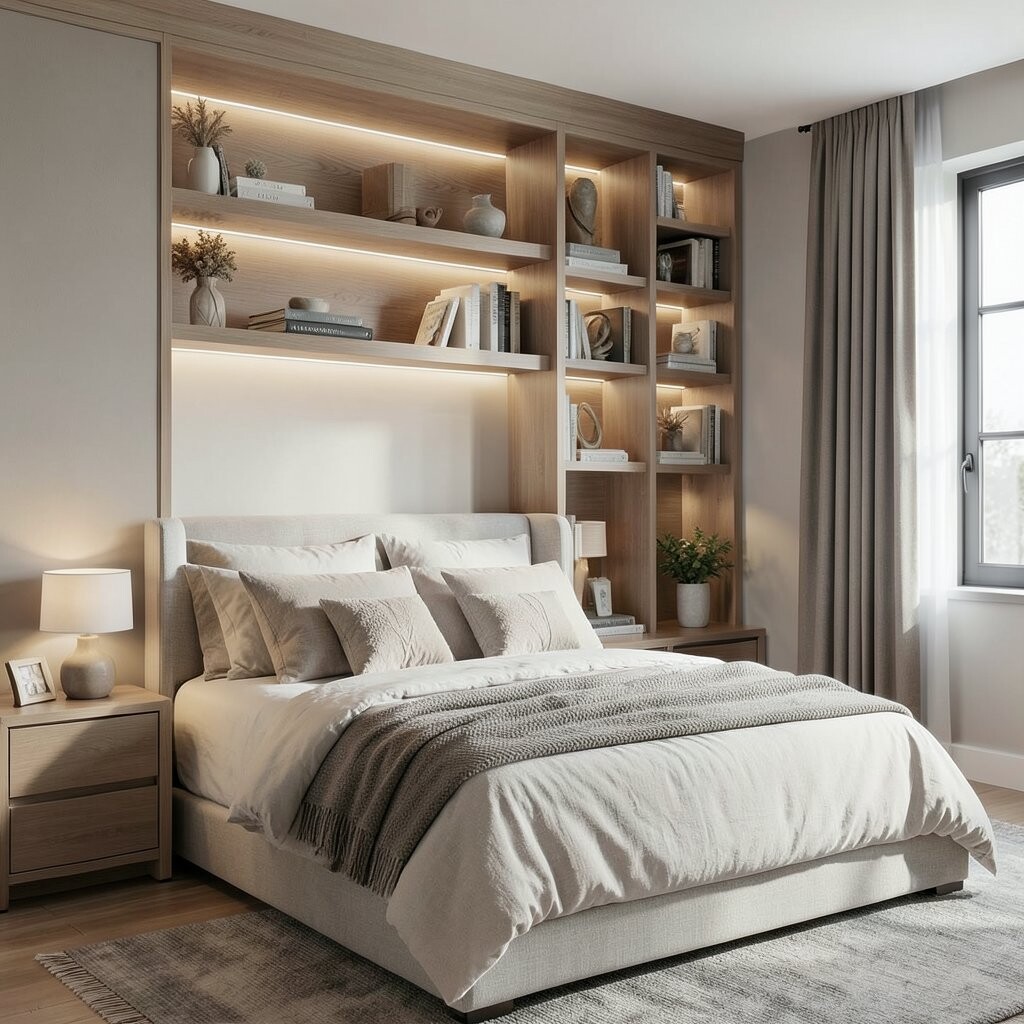
10. Bedroom Built-Ins: Shelves Above the Bed with Soft Lighting
Bedroom Built-Ins: Shelves Above the Bed with Soft Lighting
Your bedroom wall can do more than hold art and mirrors. Built-in shelves above the bed keep your nightstand from taking over the room.
Style the shelves with a mix of small books, a gentle lamp, and a tray for bedtime essentials. Keep items low-profile so the shelves feel neat above your head.
Add a warm light strip for a cozy glow, especially at night. Soft lighting is a popular current trend because it makes small rooms feel calmer and more restful.
Personalize with two matching candle holders or a set of framed prints. If you read in bed, place a small bookmark organizer so everything you need stays close.
For cost, plan around electrical access and safety. If you want to keep spending under control, use plug-in lights first and upgrade wiring later.
11. Pantry-Style Built Shelves in a Small Laundry or Utility Area
Pantry-Style Built Shelves in a Small Laundry or Utility Area
Utility spaces deserve the same care as living rooms. Built-in shelves for laundry supplies keep detergent, cleaning tools, and towels organized and easy to reach.
Use shelf heights that fit your items, like tall spaces for bottles and shorter shelves for boxes. This prevents wasted vertical areas that happen when shelves are not measured well.
Make it unique by adding baskets that match your home style. White wire baskets feel crisp, while woven baskets feel warm and cozy.
Personalize with labeled bins so everyone in the home can put things back quickly. A small label maker can turn a messy closet into a calm system.
For cost considerations, measure your space carefully and choose durable finishes that handle moisture. Consider a water-resistant paint or a protective top coat, especially if the room gets steamy.
Many people are also adding a small folding shelf on one side to speed up daily routines.
12. Staircase-Side Built Shelves for Hallway Storage
Staircase-Side Built Shelves for Hallway Storage
Hallways feel long, but they usually lack storage. Built shelves along the side of a staircase give you a functional wall that does not block movement.
Use varied shelf widths to fit different items, like books on one section and framed art on another. This keeps the hallway from looking like one boring line.
Personalize with a rotating display, such as seasonal picture frames or a small set of collectibles. If you like neat symmetry, align all book spines and keep decor spaced evenly.
To make the shelves practical, store everyday items like umbrellas or hats in a lower basket section. Use open shelves for what you want to see every day.
For cost, you can save by using the same shelf board size across multiple sections. Add a durable finish so scuffs do not show easily.
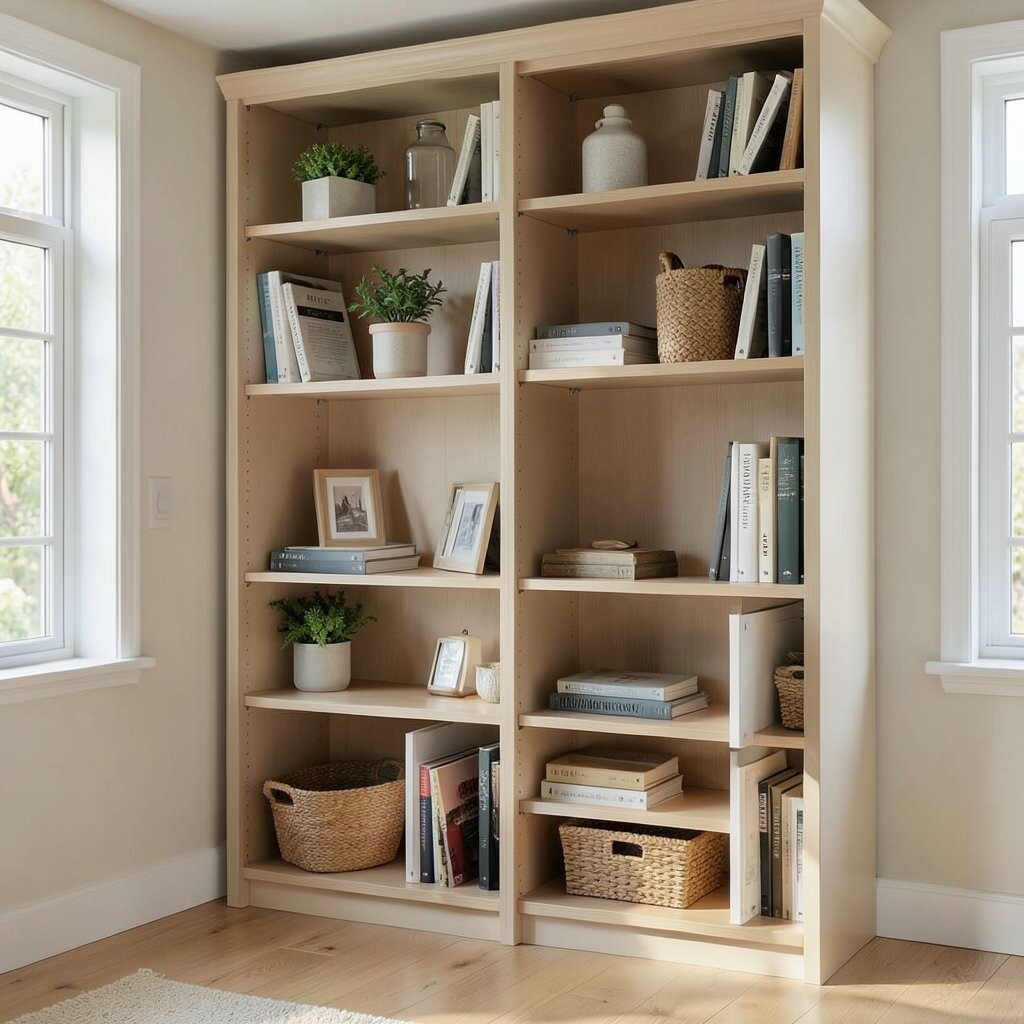
13. DIY-Feeling Built-Ins with Removable Inserts and Easy Upgrades
DIY-Feeling Built-Ins with Removable Inserts and Easy Upgrades
Some built shelves look perfect forever, but your life changes, so your storage should too. Built-in systems with removable inserts help you rearrange without tearing everything apart.
Think of modular shelves with peg boards, sliding trays, or stackable box inserts that fit each cubby.
This idea feels unique because it combines the clean look of built-ins with the flexibility of organizer systems. You can start simple and upgrade over time as your style shifts.
Personalize by choosing insert colors that match your decor. For example, black inserts for a modern look or light wood inserts for a cozy feel.
Cost considerations are usually great here because you can buy pieces gradually. Set a budget for the sturdy frame first, then add inserts as you need them.
A current trend is using modular storage to reduce clutter while keeping the room stylish. With the right inserts, you can keep shelves looking curated even when your schedule is busy.