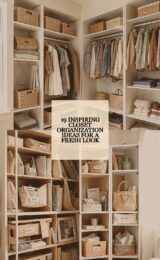
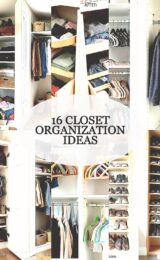
Picture a small corner near the closet door with a neat tray or basket. Each morning you drop items there instead of piling them on a chair or dresser.
Experts like this trick because it keeps decision-making easy. You always know where “almost clean” or “ready tomorrow” items go.
It also makes your closet look tidy faster, even on busy weeks.
Choose a container that matches your style: woven for cozy homes, clear plastic for a clean look, or a slim tray for small spaces. Add a simple rule tag like “Try Again Later” to reduce confusion.
For personalization, label zones by season or by person in shared closets.
2. Use Color Cues Instead of Only Sizes
Use Color Cues Instead of Only Sizes
Imagine your closet shelves lined up like a rainbow, with shirts grouped by color tones. You can grab a shirt without hunting through every hanger.
This method helps your eyes move quickly and your brain relax. It also makes outfit building feel fun, not stressful.
Try a “light to dark” order across a single rod section, or keep neutrals together and bright colors together. You can use colored shelf labels, ribbon loops, or matching hangers for a simple visual map.
For cost, start with labels first, then upgrade hangers later if you want.
3. Add a Fabric Barrier to Stop Fabric Stretching
Add a Fabric Barrier to Stop Fabric Stretching
Think about how some closet items slip and stretch when they sit too freely. A small barrier can keep them in place.
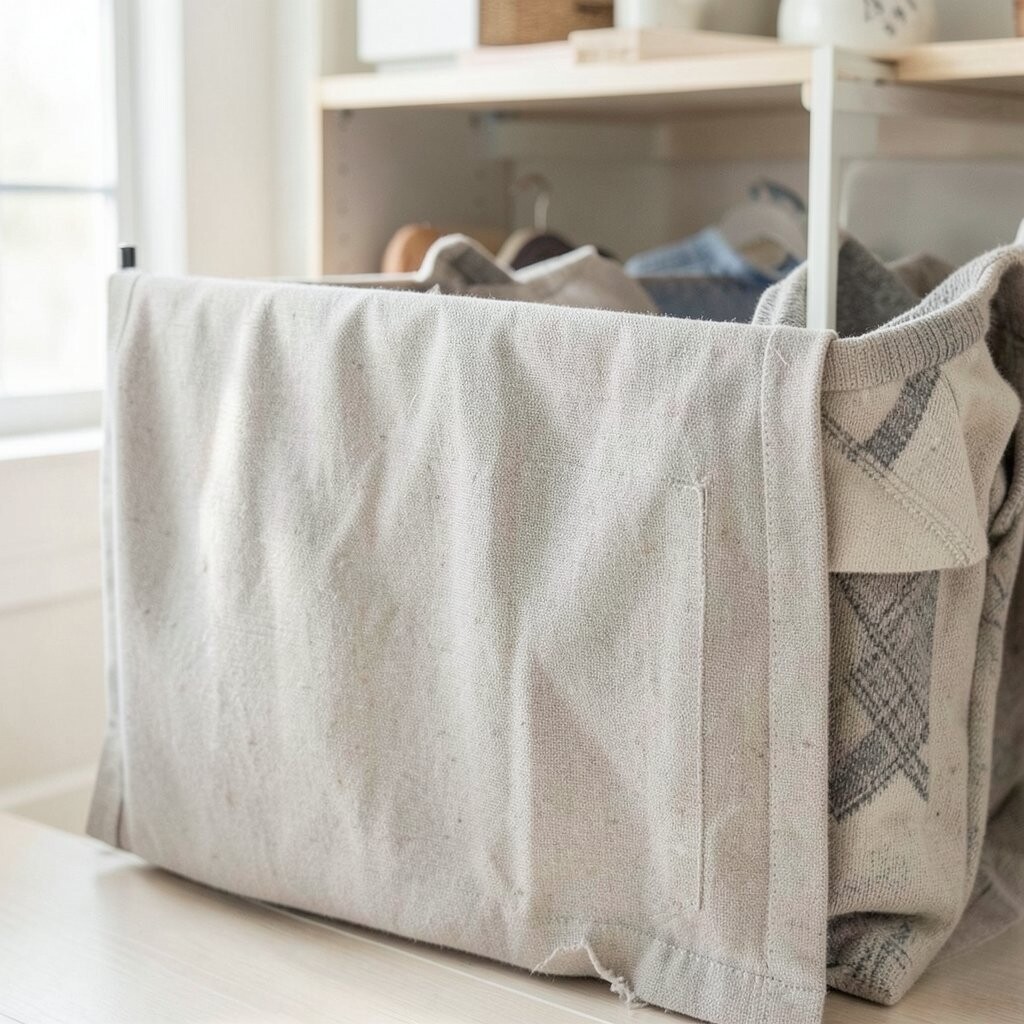
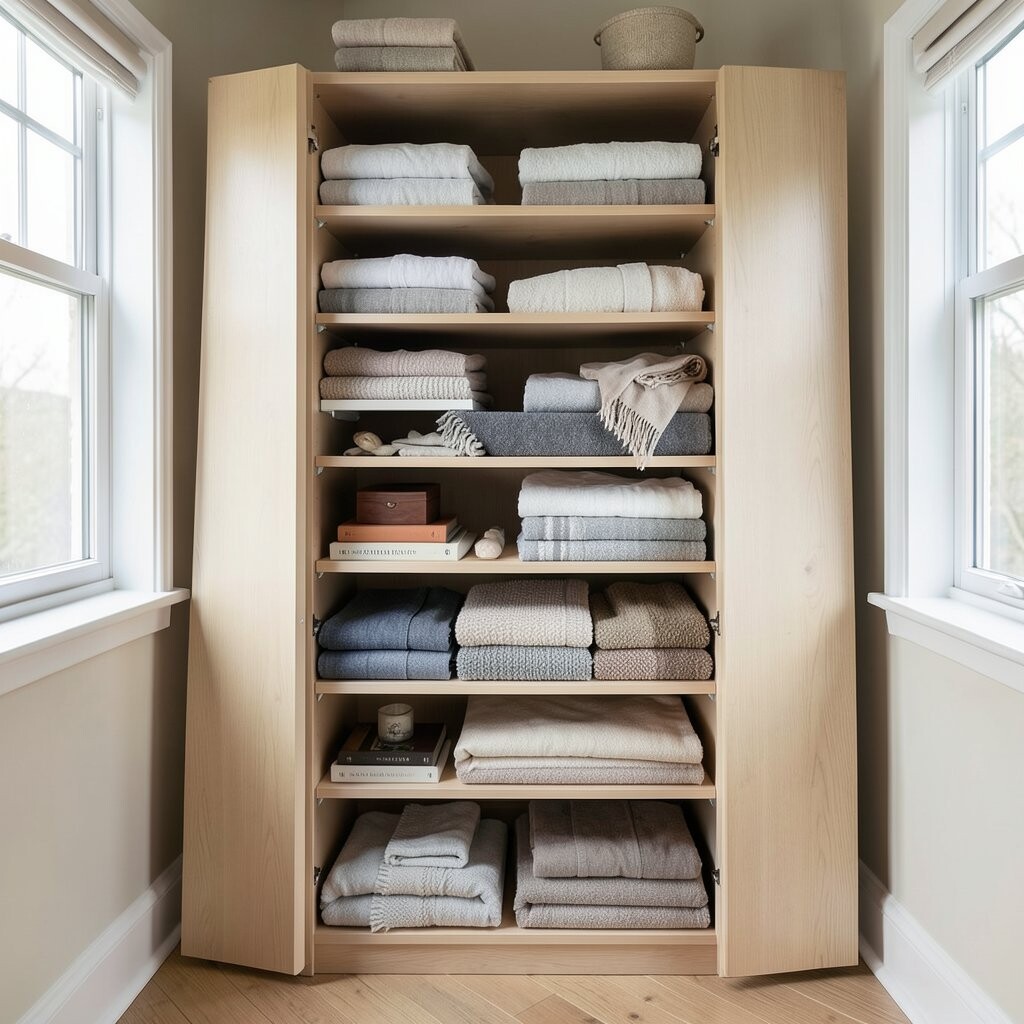
For example, place a narrow drawer liner or a soft fabric divider at the edges of folded stacks. This reduces sliding and helps knits keep their shape.
Your closet will look smoother because items sit neatly against a guide.
If you hang delicate sweaters, use padded hangers or add a gentle strap to prevent stretching. Personalize by choosing liners with patterns you love, like subtle stars or simple stripes.
It’s a low-cost upgrade that looks fancy right away.
If you’re following current trends, you’ll notice more “soft organization” using fabric textures instead of only plastic bins. This kind of cozy touch makes the space feel calmer and more personal.
Plus, fabric barriers work well for scarves, belts, and even folded pajamas.
4. Hang by Outfit, Not by Random Categories
Hang by Outfit, Not by Random Categories
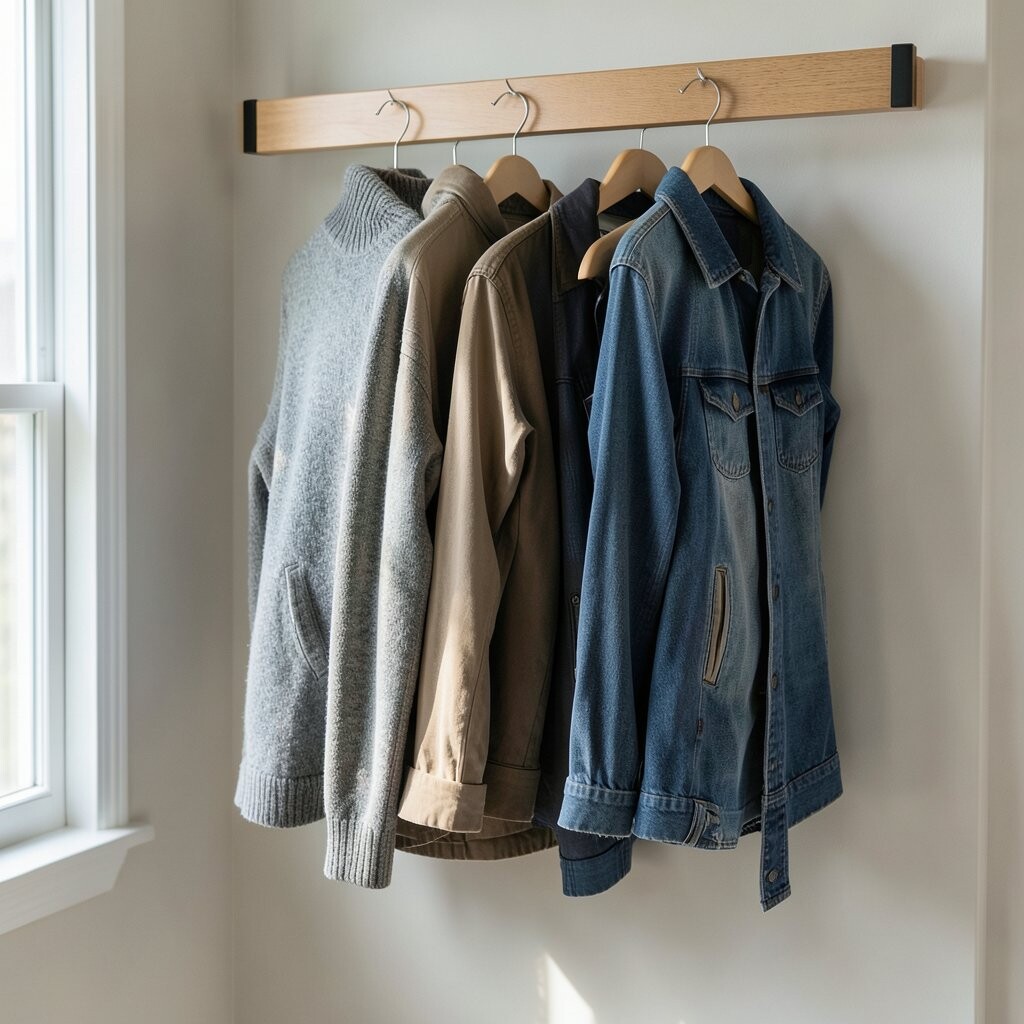
Picture a rod section where items pair naturally: tops that match bottoms, and layers that belong together. Instead of thinking “shirts” and “pants,” you think “this week’s outfits.”
This saves time because you grab a ready-to-wear set. It also reduces the awkward moment of standing in front of the closet unsure what goes with what.
To personalize, use small color stickers on hangers so each outfit group has a quick sign.
For tips, keep one outfit “view” section at eye level and store backups higher up. If cost is a concern, start by using simple hanger tags before buying organizers.
You’ll still get the benefit of faster mornings, without spending a lot.
5. Make Space by Using Vertical Folding Techniques
Make Space by Using Vertical Folding Techniques
Visualize tidy stacks where each fold stands like a little book. Instead of a messy pile, you can see everything at a glance.
Vertical folding helps you use drawer depth wisely and prevents tops from crushing bottoms. It also cuts down on “search time” because nothing hides behind bulky edges.
Try folding T-shirts, socks, and undergarments into slim rectangles. Use a small divider in the drawer so pieces stay upright.
Personalize by sizing your sections based on your laundry habits—like more room for gym days.
If you want a modern look, pair this with matching clear drawer boxes for a clean, organized vibe.
6. Install a Second Rod or a “Double-Hang” Zone
Install a Second Rod or a “Double-Hang” Zone
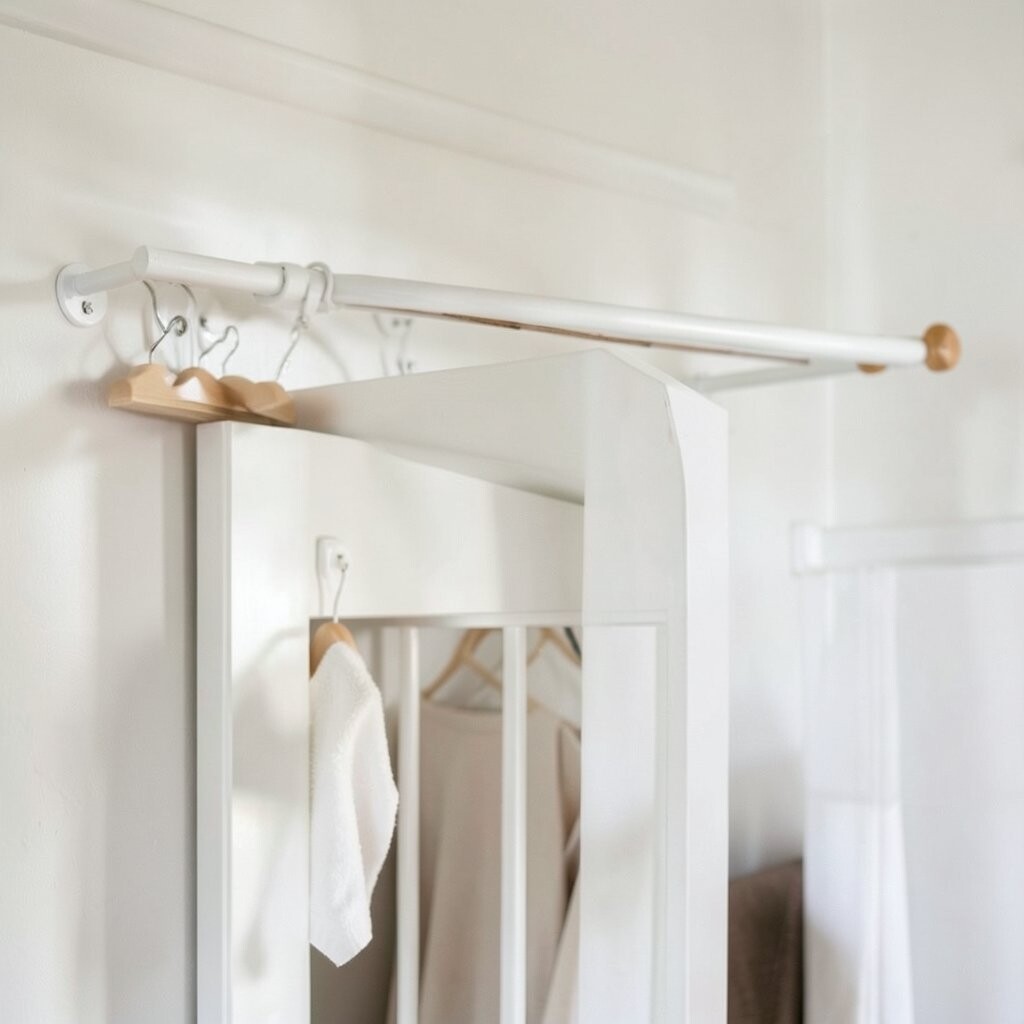
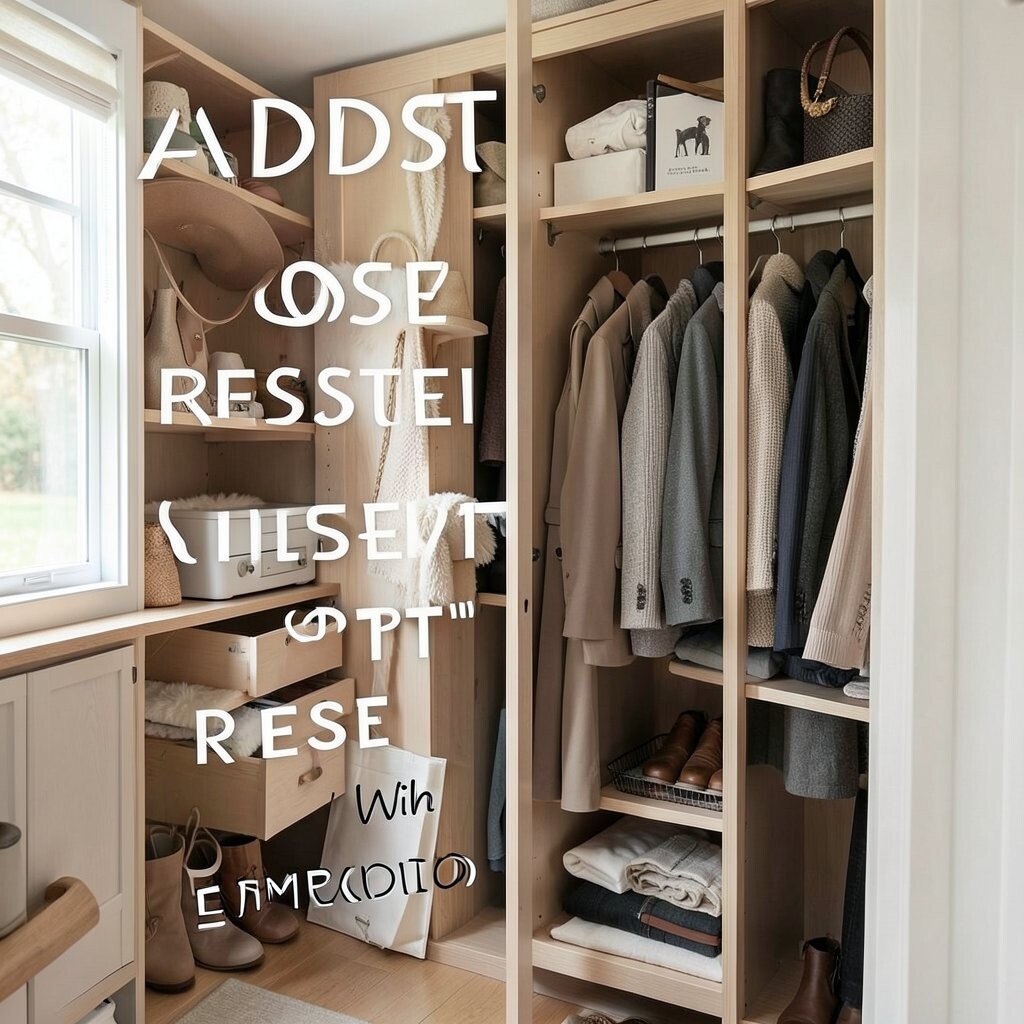
Imagine two clothing levels in the same closet footprint, like a clever stacked display. A second rod gives you more usable space without building a new closet.
This is especially great for items that don’t need full length coverage. Think lightweight tops, skirts, and folded layers that you normally cram into shelves.
The benefit is instant order and more room for the clothes you actually wear.
To keep it practical, store heavier coats higher and lighter items below. For personalization, paint or wrap the rod ends so they match your home style.
Cost varies, so check for budget-friendly kits, or start with a single rod section if you’re not ready for major changes.
7. Create a “Small Items Station” for Accessories
Create a “Small Items Station” for Accessories
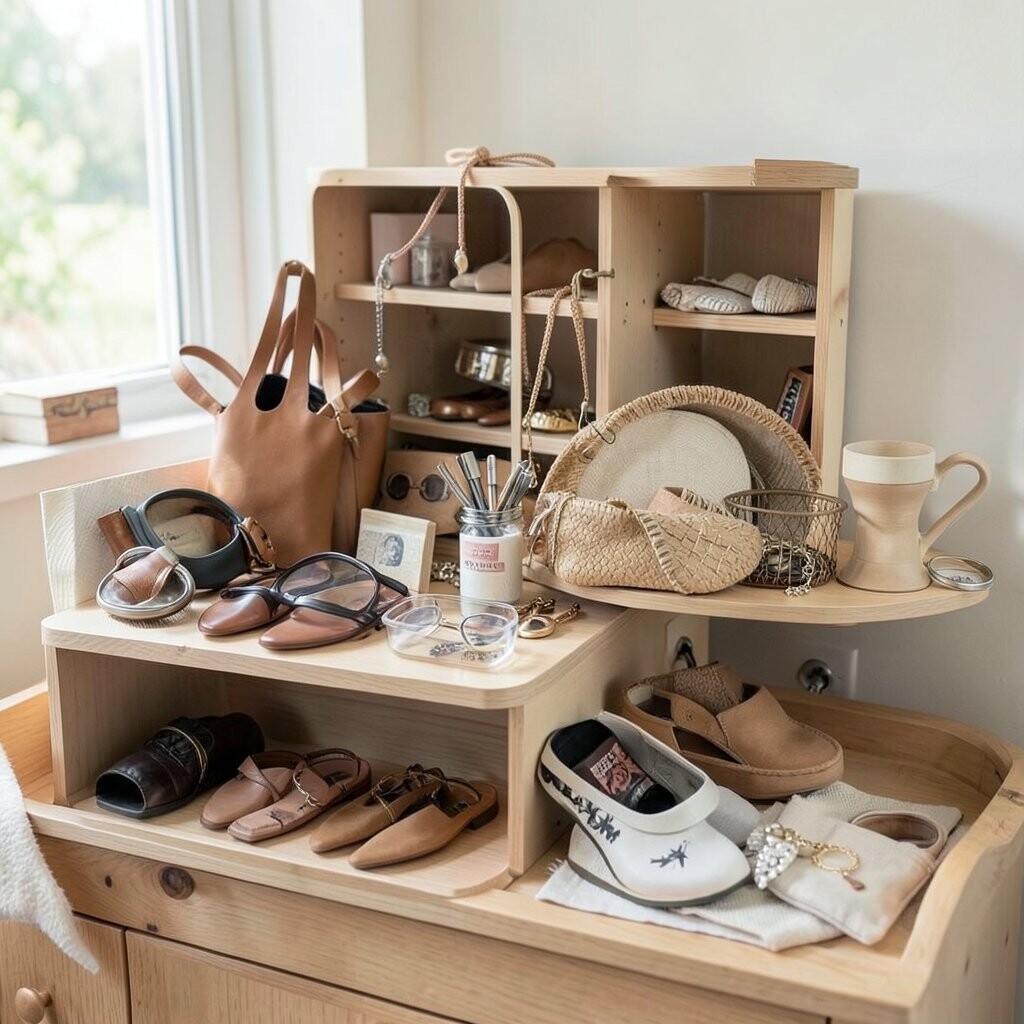
Think of a tiny organizer tray for belts, scarves, hats, and jewelry. When small things are in one place, the closet feels calmer.
Experts recommend grouping accessories by how you grab them. For example, keep belts together, scarves together, and everyday jewelry near the front.
The benefit is less rummaging and fewer tangled messes.
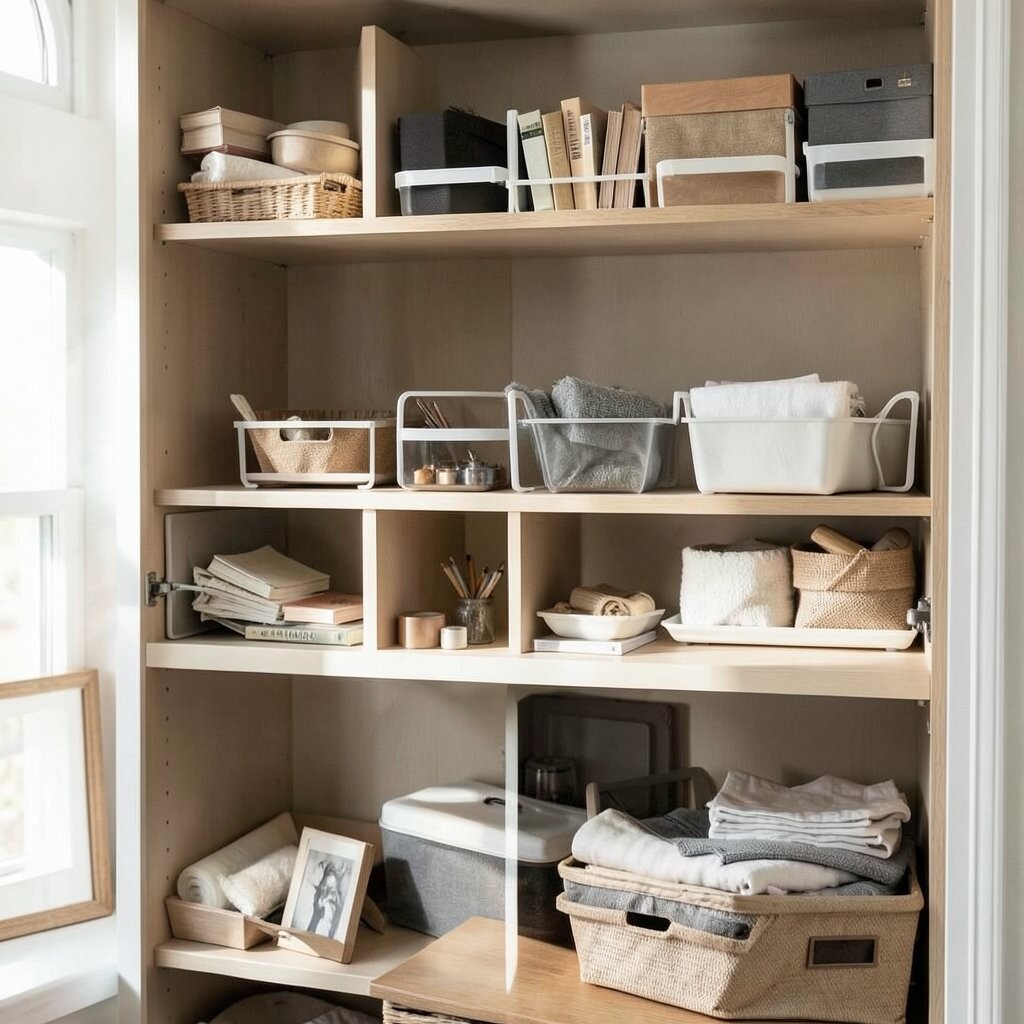
Use small bins, a hanging pocket organizer, or drawer inserts with dividers. Personalize by choosing a tray color that matches your closet theme.
For cost, start with one station in your most-used area, like the top shelf corner.
This is one of those simple upgrades that makes everything else feel easier.
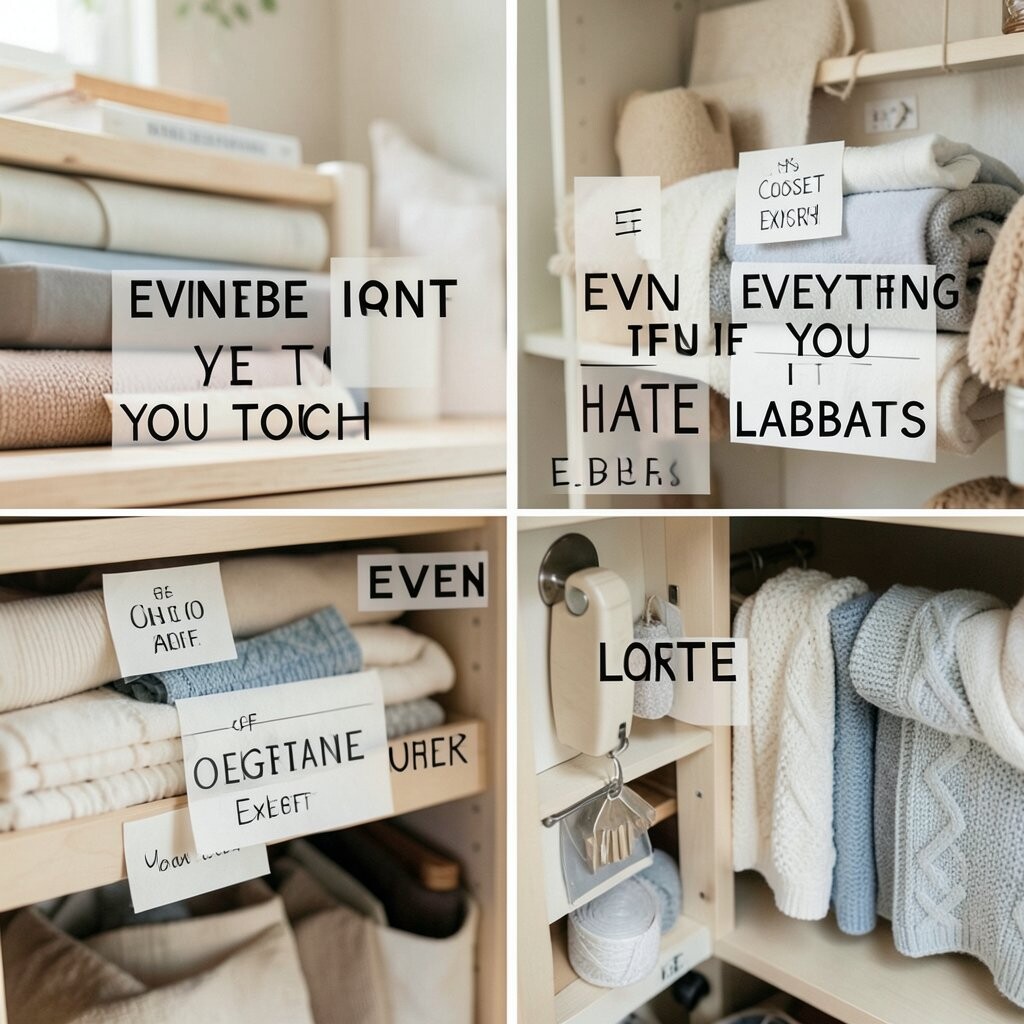
8. Label Everything You Touch, Even If You Hate Labels
Label Everything You Touch, Even If You Hate Labels
Picture a closet where every bin, shelf, and drawer has a clear sign. You open things and instantly know where everything belongs.
Labels help you stay organized after a busy day, because returning items becomes automatic. They also make shared closets feel fair and easy.
If you’re worried about labels looking ugly, choose clean fonts, small tags, or label tape that matches your closet colors.
9. Switch to the Right Hangers for Your Clothing
Switch to the Right Hangers for Your Clothing
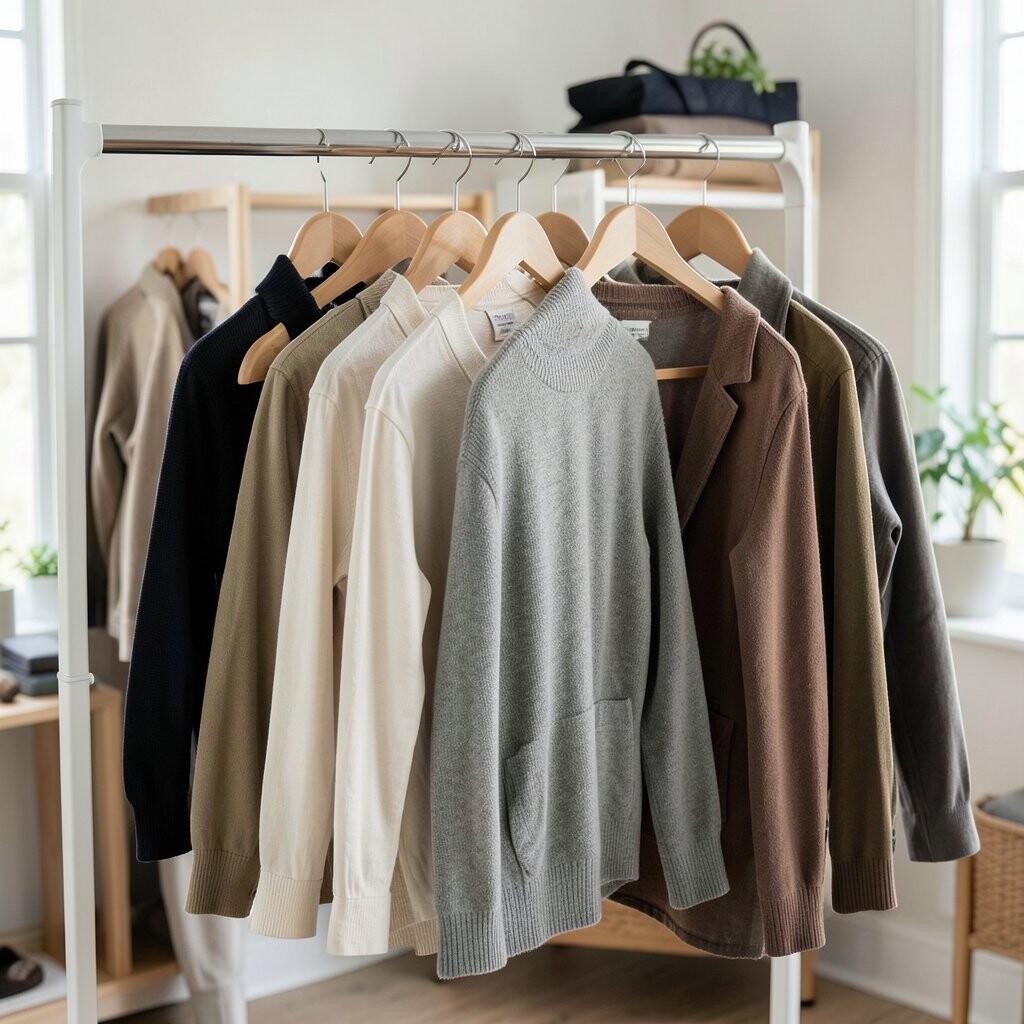
Imagine your closet with hangers that fit your clothes like gloves. No more slipping on smooth hangers or shoulder dents from cheap ones.
The right hangers protect shapes and make your closet feel more polished. That means your garments look better when you wear them.
Consider padded hangers for blazers and delicate items, slim hangers for maximizing rod space, and sturdy hangers for heavier coats. Personalize hanger colors to create a visual system for seasons or categories.
For cost, you don’t need to replace everything at once; start with the clothes you wear most.
This small switch can be a big style win without a huge budget.
10. Store Seasonal Items in “Quick-Swap” Bins
Store Seasonal Items in “Quick-Swap” Bins
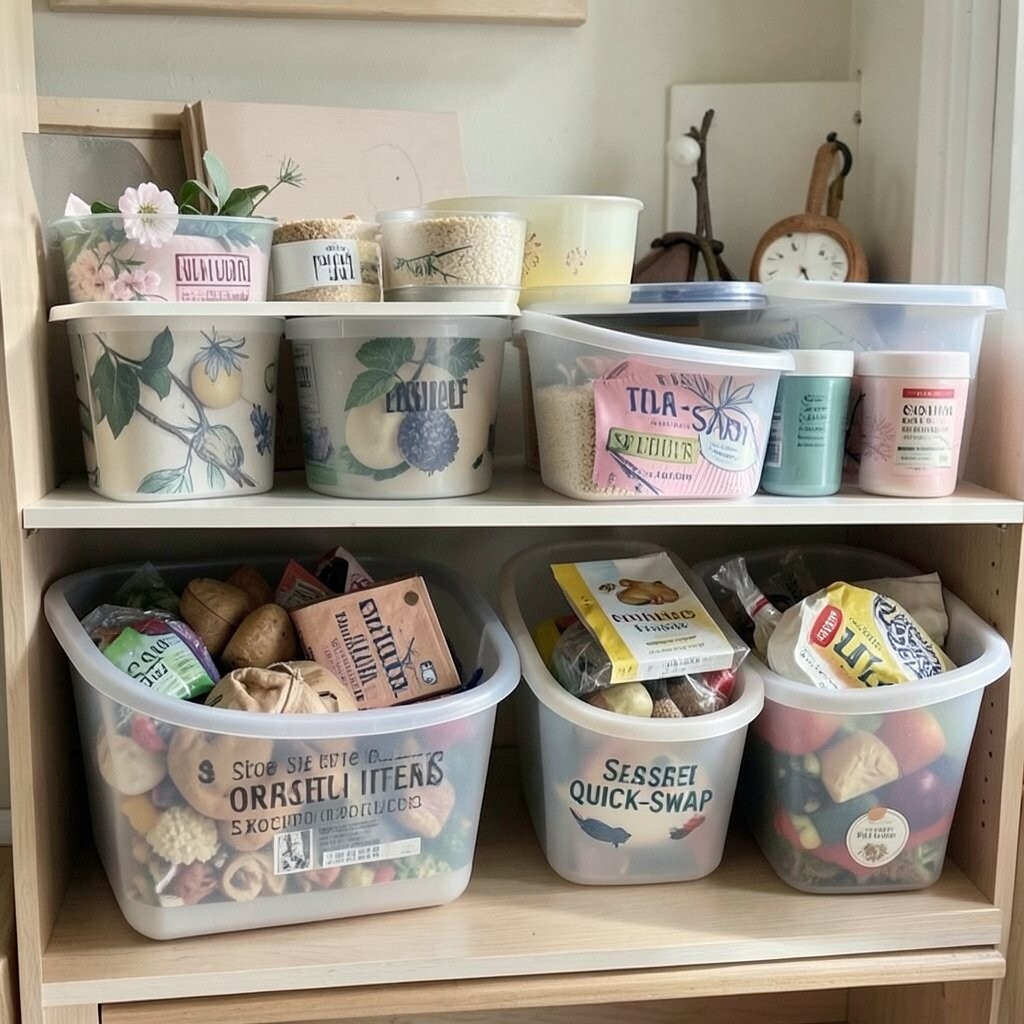
Picture two neatly stacked containers labeled for the season, sitting higher up. When weather changes, swapping takes minutes instead of hours.
This method keeps your everyday closet focused. It also reduces clutter that builds up when winter hats and summer tees share the same space.
Use clear bins if you like seeing everything right away, or fabric bags if you prefer a softer look. Add a checklist card inside the lid so you remember what’s in there.
For personalization, rotate items by your local weather patterns and your personal routine, like keeping boots easier to reach during rainy months.
Budget-wise, choose medium-cost bins first, then upgrade after you learn what size works best.
11. Use “One-Shelf Rule” to Stop New Piles
Use “One-Shelf Rule” to Stop New Piles
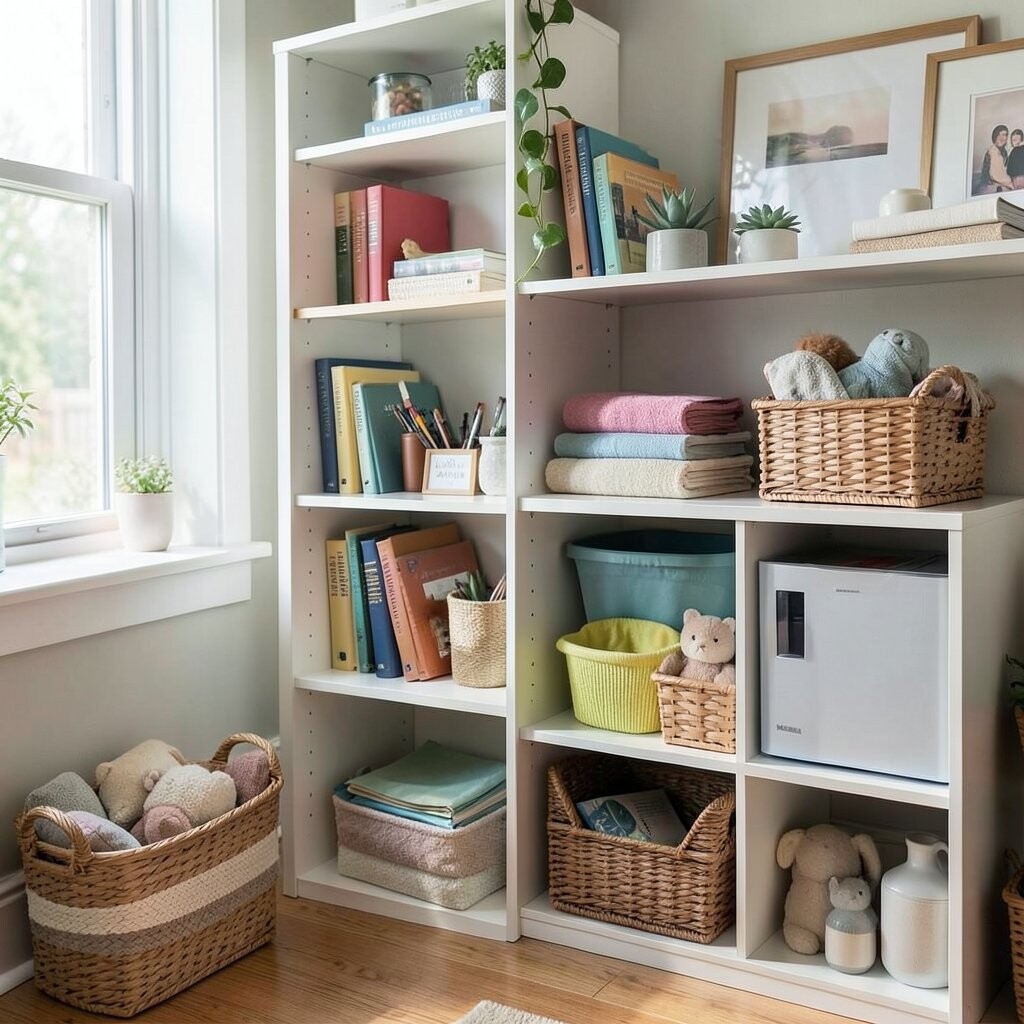
Think about a single shelf you treat as a temporary holding area. When something new comes in, it must live on that shelf until you decide its next home.
This rule prevents random piles from spreading across your closet. It keeps the visual flow clean and stops clutter from taking over little by little.
To make it work, set a simple schedule like a quick weekly check. Personalize the shelf with a small basket for donations and another for repairs or “needs a new home.”
If you want a trend-friendly vibe, use matching matching organizers so it looks like a designed system.
Costs stay low because you’re using space you already have, not buying a huge set of products.
12. Add a Closet “Reset Habit” With a Timer
Add a Closet “Reset Habit” With a Timer
Imagine setting a short timer and doing a tiny tidy before you leave for the day. You reset the closet by putting back only the items that drift out of place.
This habit is powerful because it prevents mess from building up quietly. You end up spending less time cleaning later and more time enjoying your organized space.
The benefit is emotional too: your home feels steady and under control.