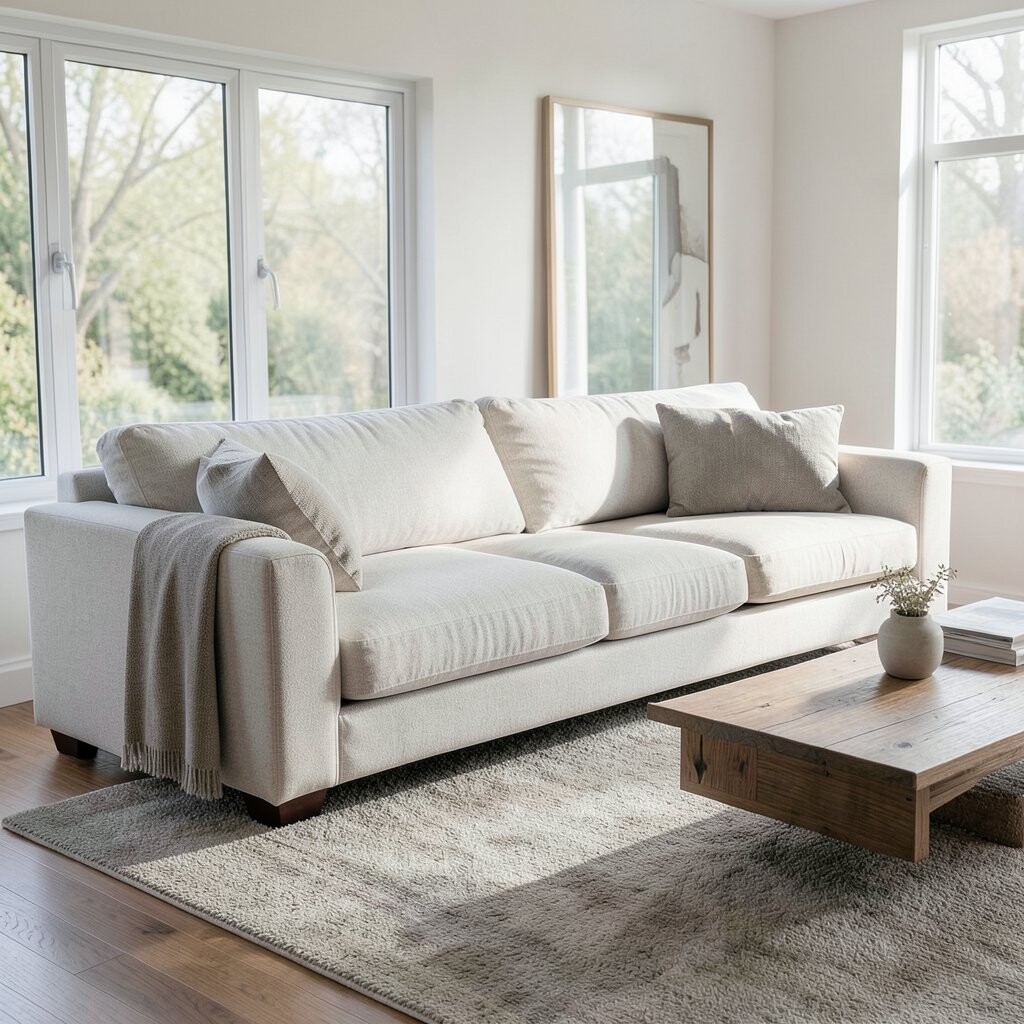
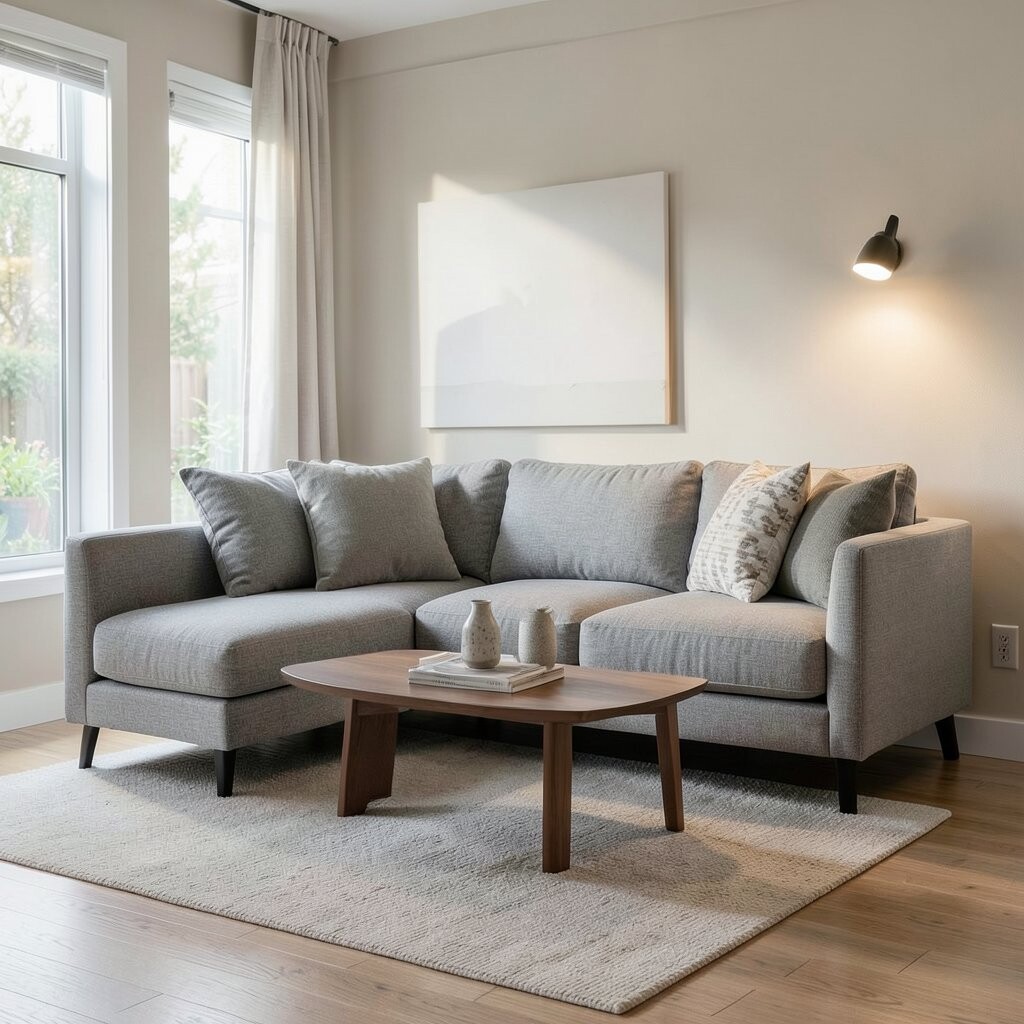
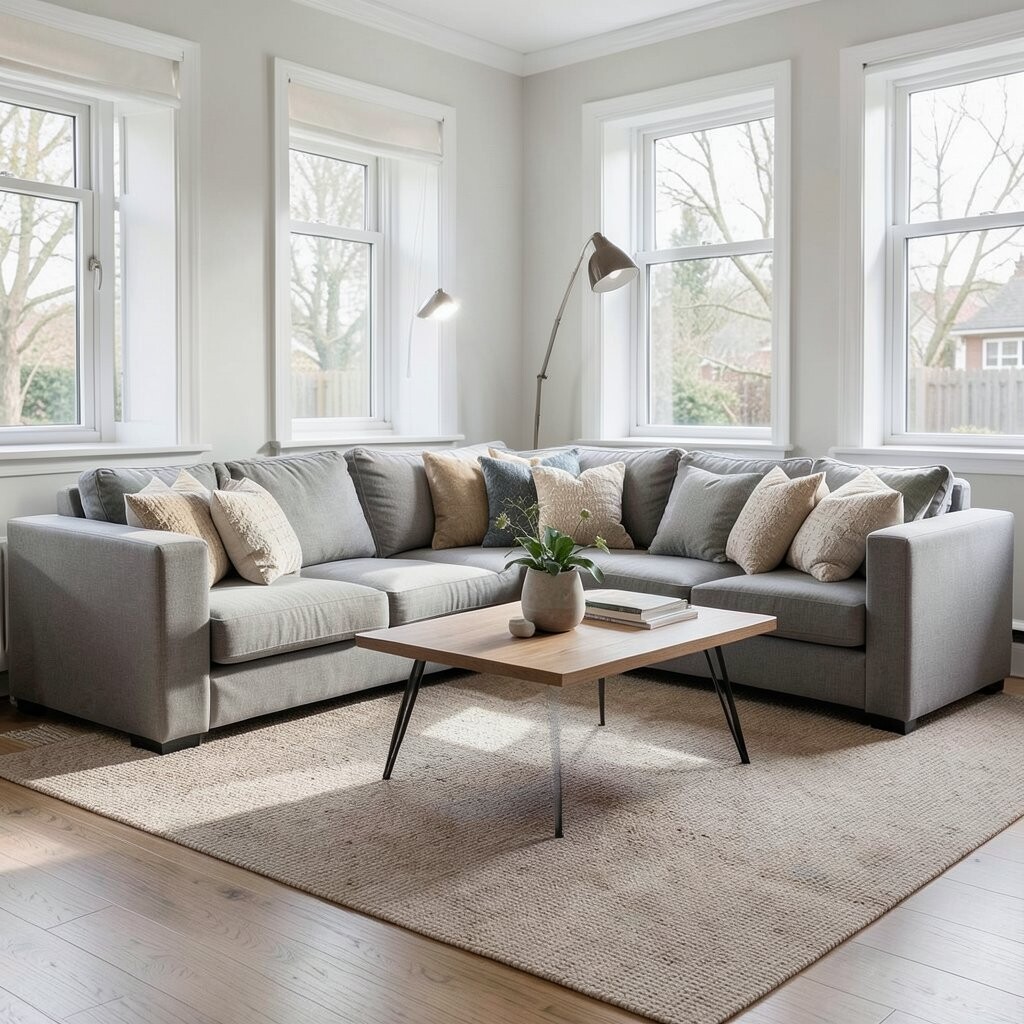
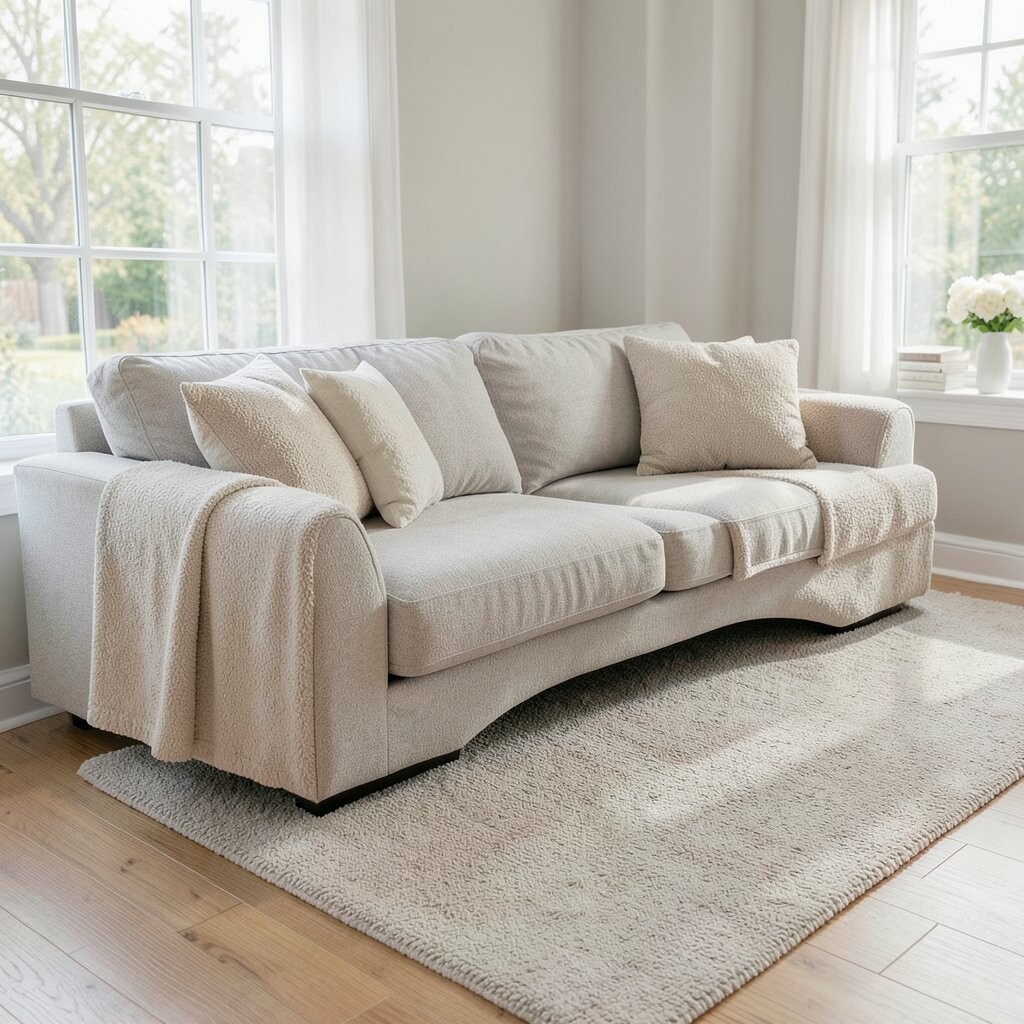
14 Things Nobody Tells You About Dining Sofa Placement Ideas
You think you know where a dining sofa should go, but your room might disagree. The smallest move can make meals feel cozier, brighter, and way more “you.”
Here are the dining sofa placement ideas people often skip, with practical tips you can use right away.
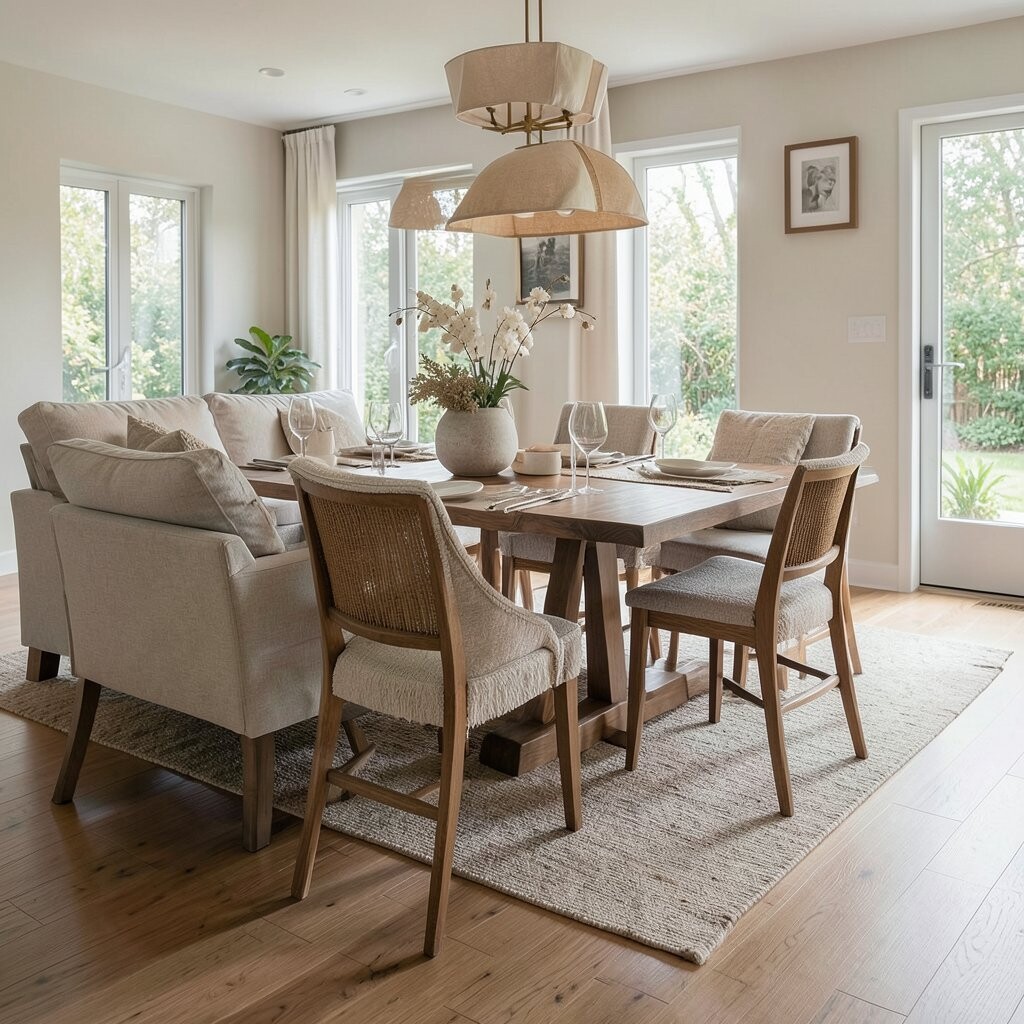
A dining sofa should connect spaces, not just fill them. When it sits in a way that links the table, entry path, and side wall, the whole room feels calmer.
Picture the sofa as a soft ramp that guides eyes toward the place where people talk and eat. If your table looks a bit “floating,” try shifting the sofa closer to one side so it frames conversation. This helps you get a smooth flow that also makes serving and clearing feel easier.
2. Start with the walkways you actually use
Start with the walkways you actually use
Most rooms have one or two “busy” paths, like from the kitchen to the dining area. If a sofa blocks that route, even a beautiful setup will feel annoying.
Before you move anything, stand where you usually stand when you grab plates. Then check if you can slide around the dining sofa without squeezing past chairs. When you plan around real traffic, the benefit is huge: you get comfort, fewer bumps, and a more relaxed vibe.
For personalization, choose a sofa spot that matches your daily routine, like where kids naturally hang out. If you’re worried about cost, measure first so you don’t buy a larger sofa than your space can handle. A quick trick is to leave a little extra breathing room near doors so everything feels open.
3. Match the sofa height to the dining experience
Match the sofa height to the dining experience
The right seat height can change how easy it feels to eat, reach, and sit back. If your sofa sits too high, plates and chairs can feel awkward.
Look at the dining chair height and compare it to your sofa. Ideally, the sofa should feel like part of the same seating team, not a separate island. This improves comfort and reduces the “why does this feel off?” moment.
For a unique look, you can pair a sofa with dining chairs that have similar shapes, like rounded backs. If you want to keep costs friendly, shop for sofas with adjustable-looking legs or consider slim profiles that don’t dwarf the table. Current trends lean toward medium-slung seating and relaxed silhouettes, which usually work well at dining spaces.
Also, think about how people will lean forward to talk—lower comfort can make conversation feel more natural.
4. Use the sofa’s arms as your “editing tool”
Use the sofa’s arms as your “editing tool”
Left and right sofa arms can either frame the dining area or crowd it. If the arms point toward the table too sharply, the visual line can feel tight.
Try positioning the sofa so its arms guide the eye toward the center of the table. You’ll get a cleaner look, and guests will feel like they have a clear sightline for conversation. This is one of those small placement benefits that shows up immediately.
If you want personalization, choose a sofa with arms that match your room style, like rounded arms for soft, modern spaces. Budget tip: sometimes a basic sofa plus a good throw and cushions looks far more “designed” than a pricier model. Keep an eye on current trends that highlight texture, like boucle or chunky knits, which look great on sofas used for dining.
5. Create a “soft border” with cushions and color
Create a “soft border” with cushions and color
A dining sofa feels more welcoming when it looks like part of the seating story. If it blends into the wall, it can feel invisible instead of inviting.
Pick cushion colors that echo your dining chairs, rug, or artwork. When colors connect, your room looks intentional, and guests feel comfortable without trying too hard. This placement idea boosts warmth and makes the sofa feel like a natural gathering spot.
For uniqueness, try a mix of patterned and solid cushions, but keep one color the same across all pieces. If costs are a concern, start with two or three cushion covers you can switch seasonally. Right now, many people are choosing earthy tones and calm neutrals for dining spaces, then adding one bold accent for personality.
6. Anchor the sofa with a rug that fits the scene
Anchor the sofa with a rug that fits the scene
A sofa near the dining table can look unfinished without a rug. The trick is to anchor it so feet and movement feel guided.
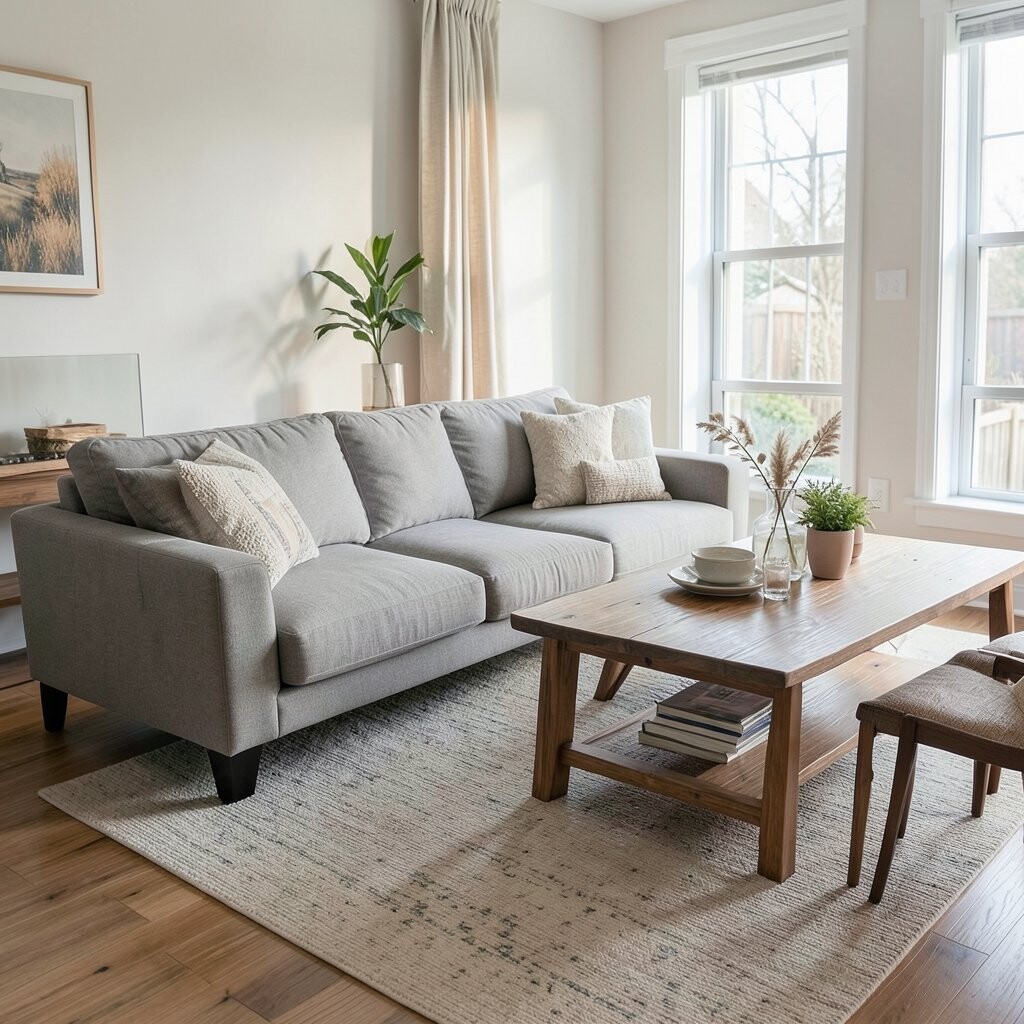
Choose a rug size that lets the sofa sit fully on it, and ideally the front legs of dining chairs too. That visual “grounding” makes the room feel styled, not scattered. The benefit is both look and comfort: less slipping, easier cleanup, and a more defined dining zone.
If you want to personalize, pick a rug pattern that matches your lifestyle, like stain-friendly weaves for families. Cost tip: if you can’t get a huge rug, use a runner that clearly covers the movement path beside the sofa. Current trends show more layered looks, such as a solid base with a textured top layer, for cozy dining vibes.
7. Leave room for plates, not just for people
Leave room for plates, not just for people
Placement planning should include serving space. When the sofa is too close, it can make it harder to set down plates without bumping elbows.
Watch how you naturally reach for the serving dish. If you imagine a person sitting on the sofa and extending an arm, you can spot space issues before you commit. This small planning step helps the whole meal feel smoother.
To personalize, consider adding a small side table where you can place napkins or drinks. If you’re trying to stay on budget, pick a narrow table that fits the gap instead of buying a bulky buffet. Many people today like compact, multipurpose furniture because dining spaces often share the same room as living areas.
Also, think about how guests sit back; a little extra space can prevent the “trapped feeling” that ruins good nights.
8. Match the sofa’s style to the lighting, not just the wall
Match the sofa’s style to the lighting, not just the wall
Dining lighting can change how sofa fabric looks. A sofa that looks perfect in daylight might look dull under warm bulbs.
Try to visualize your setup under the lights you use at dinner time. If your room has amber lighting, neutral fabrics can look cozy, while cooler tones can sometimes look flat. This gives you a benefit that feels like mood control.
9. Use placement to balance sightlines for conversation
Use placement to balance sightlines for conversation
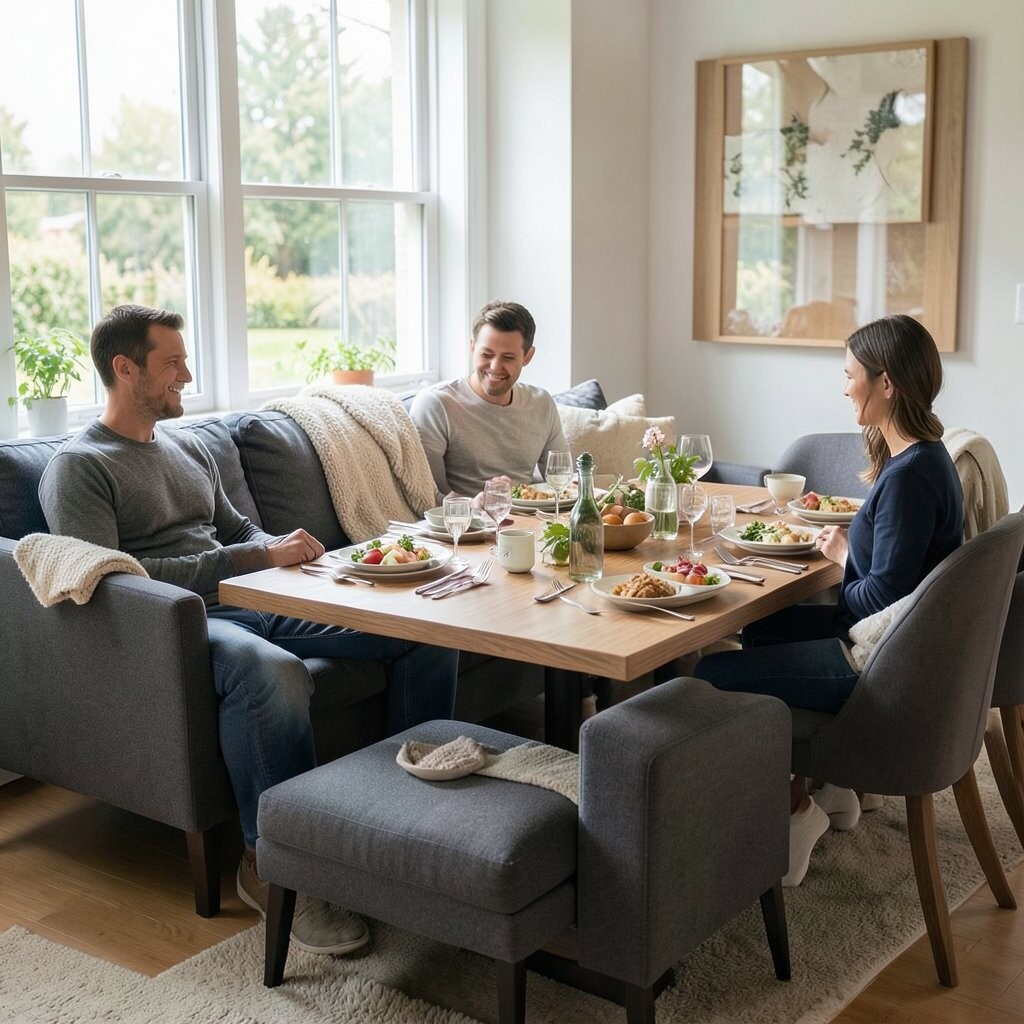
Your sofa position affects who can see whom. If the sofa sits in a way that turns people away from the table center, conversation can feel less lively.
To improve flow, aim for seating that faces inward toward the table. That simple alignment helps everyone talk without craning necks. The result is a more social, friendly dinner vibe.
For uniqueness, angle the sofa slightly so it creates a gentle arc around the conversation area. If you want to save money, use an inexpensive chair or two to fine-tune angles instead of relocating large furniture. Current trends favor curved or rounded seating moments because they soften hard corners in dining rooms.
Consider adding a small tray table for drinks so people don’t block each other’s sightlines.
10. Plan for “spill paths” with washable fabrics
Plan for “spill paths” with washable fabrics
Dining spaces live real life, including crumbs and the occasional spill. Sofa placement matters because it changes which area guests bump most often.
If your sofa sits beside the busiest serving path, choose performance fabric or removable covers. This gives you a clear benefit: easier cleanup and less stress when guests visit. It also helps your sofa look better longer, which can save money over time.
Personalization idea: add a water-resistant throw in a color that matches your dining theme. If you’re budget-minded, prioritize practicality first, then make it pretty with pillows. A lot of people now choose stain-resistant blends and tightly woven textures for dining-friendly comfort.
11. Use the wall as a backdrop only when it helps
Use the wall as a backdrop only when it helps
Putting a sofa against the wall can look neat, but it can also flatten the whole dining mood. Sometimes you need the sofa to “pull in” to create warmth.
Try moving it a bit away from the wall to create a subtle floating effect. That tiny gap can help light bounce and make the area feel more open. The benefit is a room that feels bigger without doing expensive changes.
For personalization, style the sofa with a slim console behind it only if you truly have space. If cost is a factor, skip big furniture and use wall decor or a tall plant instead. Current trends often include greenery, and a plant near the sofa can make meals feel fresh and calm.
12. Coordinate sofa cushion depth with chair spacing
Coordinate sofa cushion depth with chair spacing
Cushion depth affects how far people sit and how close they feel to the table. If cushions are too deep, some guests might sit back and reach less comfortably.
Check how much of the table area is reachable from the sofa seating position. You can test this by placing yourself where a guest would sit and doing a simple “reach to center” motion. When it feels comfortable, you get a benefit: fewer awkward moments during dinner.
To personalize, mix cushions to create a firmer front edge and a softer back. If you’re controlling costs, choose a sofa with replaceable cushion covers or select foam inserts you can upgrade. Many modern dining looks now lean toward medium-firm seating because it supports long meals.
13. Choose placement that supports different meal moods
Choose placement that supports different meal moods
A dining sofa can handle more than one kind of night. It might be a quiet breakfast spot, a game-night seat, or a cozy holiday dinner moment.
Place the sofa so it works even when you change how you use the table. If the seating area can shift between formal and casual, guests will enjoy the space more often. That’s a real benefit you feel every week.
14. Budget smarter by planning first, shopping second
Budget smarter by planning first, shopping second
Many people buy a sofa they love, then try to force it into a layout. That usually costs more time and money than planning does.
Before you shop, measure the dining area and sketch a simple version of your room. Then picture the sofa in at least two possible placements and choose the one that gives the easiest flow, best comfort, and nicest sightlines. This approach helps you avoid surprise costs like extra rugs, new chairs, or replacement covers.
For personalization, keep a “style board” of colors you already own, like curtains, pillow shades, and artwork tones. Costs can stay low when you coordinate with what you have. Current trends show a lot of mix-and-match styling, so your sofa can be the star while the rest of the room supports it without expensive upgrades.
And one more practical tip: if you rent or move often, look for a sofa style that’s easy to relocate, like modular pieces or lighter frames.